
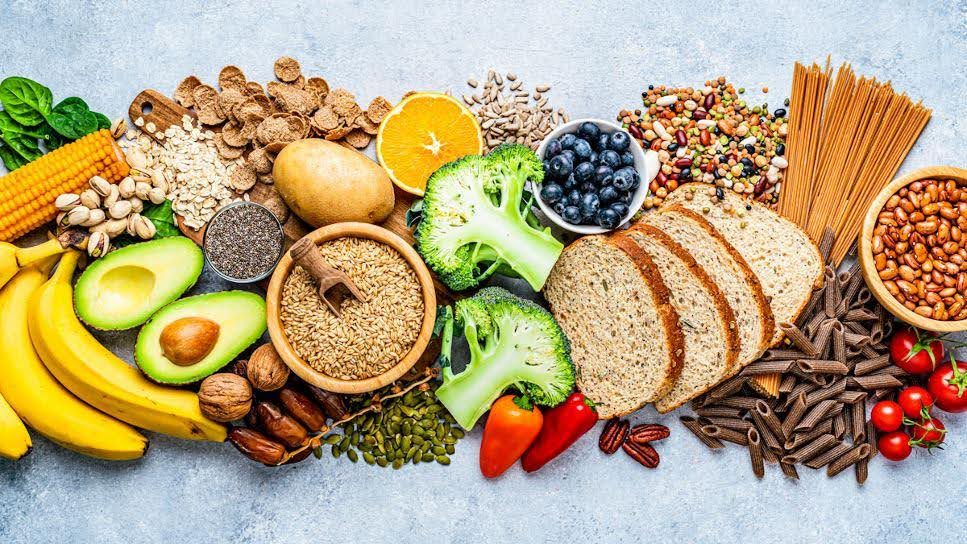
We’re often told: “Eat more fibre, it’s essential for digestion.”
But like exercise, nutrition is more nuanced than that.
And when it comes to building bone density, muscle strength, and metabolic health, simple rules rarely hold up.
At OsteoStrong®, we frame health through four interconnected pillars:
- Nutrition
- Medical & Medications
- Lifestyle
- Exercise
Fibre sits within the nutrition pillar, but its role highlights something deeper:
Not all inputs are equal. And not all “healthy” advice is universal.
Pillar 1: Nutrition — Quality Over Dogma
Fibre has been overhyped. It’s not an essential nutrient for survival.
Unlike protein, essential fats, vitamins, and minerals—which the body must have to function—there is no defined deficiency disease for fibre. In fact, you can live without it.
That said, fibre can play a supportive role in gut health and metabolic regulation. But when it comes to building and maintaining muscle and bone, fibre is not the priority—bioavailable protein, essential nutrients, and adequate mechanical loading are.
Today most people are already under-consuming high-quality protein and failing to stimulate bone through sufficient loading. Focusing on fibre at the expense of these fundamentals can actually distract from what truly drives strength, resilience, and longevity.
Yet fibre can still play a valuable role.
Some fibres:
- Support gut bacteria diversity
- Help regulate digestion
- Contribute to metabolic health
We are just beginning to understand more about how a diverse gut microbiome supports digestion, immunity, and metabolic health, and dietary fibre helps nourish and sustain this diversity by feeding beneficial bacteria in the gut.
But the reality for many people, is that increasing fibre leads to:
- Bloating
- Gas
- Discomfort & gut irritation
- Constipation (ironically)
This is especially common with:
- Certain grains and legumes – such as wheat, lentils, and beans
- Highly fermentable fibres (FODMAPs), including garlic onion, dairy, yeast, sweeteners, and fruit.
- Processed foods with added fibre
In some cases, reducing fibre can actually improve gut symptoms!
The key is not “more fibre”
It’s the right type, in the right amount, for the right person
Whole, seasonal foods tend to deliver fibre in a form the body recognises.
Highly processed foods with added fibres often do not.
Pillar 2: Medical & Medications — The Individual Matters
Your gut is not generic.
Conditions such as:
- IBS (Irritable Bowel Syndrome)
- Digestive sensitivity
- Hormonal changes
- Medication use
…can all influence how fibre is tolerated.
In some cases, reducing fibre improves symptoms.
This doesn’t make fibre “bad”—it simply reinforces that nutrition must be personalised, not prescribed as a blanket rule
Pillar 3: Lifestyle — Patterns Over Single Ingredients
The biggest driver of health is not one nutrient—it’s the overall pattern.
Research consistently shows better health and longevity in people who eat:
- Whole foods
- Less ultra-processed products
- Balanced, nutrient-dense meals
Fibre often appears beneficial in studies because it’s part of that pattern, not because more fibre alone solves the problem.
It’s not about chasing fibre – it’s about improving the quality of the entire diet
Pillar 4: Exercise — The Perfect Parallel
This is where it all connects.
We see the same misunderstanding in exercise:
- “Move more”
- “Do more classes”
- “Spend more time in the gym”
But bone doesn’t respond to time – it responds to the magnitude of the load
This is why gymnasts who absorb high impacts have the highest bone density of all athletes!
Without sufficient stimulus, there is no adaptation.
The same applies to nutrition:
The body responds to quality of input, not quantity or trends.
This is why OsteoStrong once a weekly sessions
The Bigger Principle
Whether it’s fibre or fitness:
- More is not always better
- Better is better
- The right load builds bone
- The right nutrients support that process
- The right lifestyle reinforces it
The OsteoStrong® Takeaway
Fibre is not the enemy.
But it’s not a universal solution either. It’s a tool, and like exercise, it must be applied correctly.
So instead of asking is fibre good or bad, you should be asking:
“What does my body actually respond to?”
Because ultimately not all food is equal & not all exercise is equal.
And your long-term health – your strength, your bone density, your balance and resilience – is built on the quality of the signals you give your body.