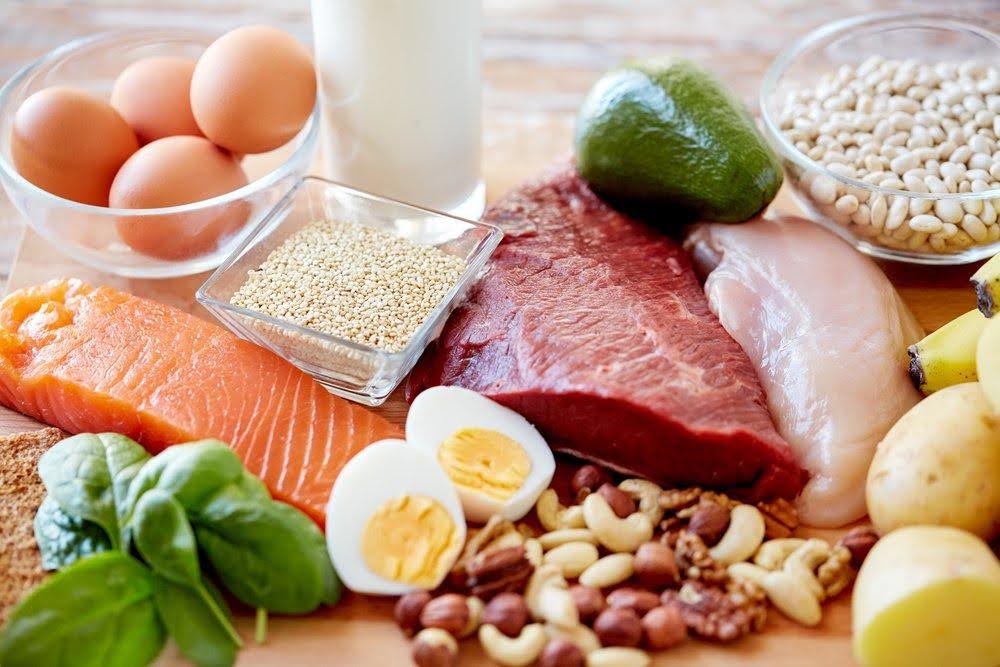
Protein has long been misunderstood as something only athletes or bodybuilders need. In reality, protein is fundamental to being human and the science is finally catching up.
Considering that the entire structure of our body is made of amino acids: our bones, muscles, skin, ligaments, tendons, half of every cell, our hormones, immune cells, hair, nails, nerves, the enzymes that drive chemical reactions in the body, the fluid in our eyes, even our stomach acid – protein isn’t a “fitness nutrient”, it’s a structural and metabolic necessity.
For more than 50 years, the recommended dietary allowance (RDA) for protein in Australia and the United States has been built on a narrow and outdated premise: the minimum intake required to prevent deficiency in young, healthy adults. It was never designed to optimise muscle mass, metabolic function, bone strength, or resilience with ageing.
Yet this minimum threshold is still routinely presented by health professionals as a sufficient target for people of all ages—despite compelling evidence that it falls well short of what is required to preserve muscle, bones, metabolic health, and functional capacity across the lifespan.
Compounding the problem is a widespread shift away from complete animal protein sources toward plant proteins that demand careful planning to deliver the same essential amino acids. In practice, that planning rarely happen, leaving many adults unknowingly protein deficient.
For years, I have advised OsteoStrong clients that the protein RDA is inadequate for older adults, particularly those with low bone density, sarcopenia, or multiple comorbidities.
New U.S. dietary guidance approved in January 2026 acknowledges this disconnect, recognising that the long-standing recommendation of approximately 0.7 g/kg for women and 0.8 g/kg is inadequate.
The updated US RDA for protein is now;
1.2 to 1.6 grams of protein per kilogram of body weight per day
This reflects a growing body of evidence showing that older adults require substantially more protein to maintain muscle, bone integrity, and metabolic health.
And for those already living with low bone density, age-related muscle loss, and post illness or injury, many longevity and clinical nutrition experts now suggest that optimal intake may need to be even higher to adequately support repair, adaptation, and long-term resilience;
2 grams of protein per kilogram of body weight per day
Why protein needs rise with age
As we age, our bodies become less efficient at:
- Utilising absorbed protein (amino acids) efficiently
- Stimulating muscle synthesis
- Utilising vitamins and minerals
- Retaining lean mass during illness or inactivity
This phenomenon, called anabolic resistance, means that the same protein intake produces a weaker biological response. Without higher intake, the result is predictable as most people age:
- Muscle mass loss – Sarcopenia
- Muscle strength loss – Dynapenia
- Bone loss increasing fracture risk – Osteoporosis and Osteopenia
- Poor glucose regulation and metabolic decline – Diabetes, inflammation and reduced immune resilience
In short, our ageing bodies require a stronger anabolic signal, and protein is one of the most powerful and accessible signals available.
Unfortunately, these patterns now describe the poor metabolic and musculoskeletal health of a sizeable proportion of older Australians.
Bone health is inseparable from protein
Protein is not just a “muscle nutrient.” It is fundamental to:
- Collagen formation (the flexible scaffold of bone comprising about 30% by weight is collagen)
- IGF-1 signalling, a natural repair and growth signalling hormone which helps bones and muscles repair, rebuild and stay strong
- Muscle force generation – the very stimulus bones need to stay dense
Without adequate protein, even well-designed exercise or osteogenic loading programs underperform. Bone and muscle adapt together – and more importantly, decline together with disuse as we age and use dietary resources less efficiently.
The Australian policy lag
Australia’s current guidelines and recommendations by many GP’s and dieticians still lean heavily on the outdated RDAs that:
- Do not differentiate meaningfully by age
- Prioritise deficiency prevention over functional outcomes
This has real consequences:
- Widespread protein deficiency in older people
- Accelerated frailty and falls
- Rising fracture, disability, and healthcare costs
Do Recent Studies Support Higher Protein Needs for Older Adults
In a 2022 systematic review and meta-analysis by Nunes and colleagues it was found that in adults older than 65, increases in lean body mass (muscle) during resistance training were most consistently seen when total protein intake was around 1.2–1.59 g/kg/day, i.e., above the old RDA.
A 2023 study by Bagheri et al. (Frontiers in Nutrition) studied 40 untrained older men around 61 years old doing 8 weeks of resistance training 3 times per week and compared:
- High protein: 1.6 g/kg/day
- RDA-level protein: 0.8 g/kg/day
This Study demonstrated that the 1.6 g/kg/day group had greater improvements in skeletal muscle mass and muscle strength than the 0.8 g/kg/day group.
These studies show that in the real-world protein amount matters for older people and that the old RDA is outdated and should be revised.
Important Caveat – When higher protein intake may not be appropriate
There are specific medical situations where protein intake should be moderated or individualised based on medical supervision.
Higher protein intakes (approaching 1.6 -2 grams/kg body weight/day) may not be appropriate in people with:
- Advanced chronic kidney disease (moderate–severe renal impairment)
- Decompensated liver disease, particularly with hepatic encephalopathy
- Acute kidney injury (temporary adjustment during illness or dehydration)
- Rare inherited metabolic disorders affecting protein metabolism
In these cases, a treating clinician should always guide protein intake to balance metabolic needs with organ function.
Importantly, higher protein intake is not contraindicated in many common ageing-related conditions, including:
- Osteoporosis or osteopenia
- Sarcopenia or frailty
- Type 2 diabetes or insulin resistance
- Metabolic syndrome
- Healthy ageing kidneys
In fact, chronically low protein intake is a greater risk in these populations, accelerating muscle loss, bone fragility, impaired glucose control, and loss of functional independence.
The key takeaway for most older adults with normal kidney and liver function is higher protein intake is protective – not harmful. It supports bone remodelling, muscle preservation, metabolic health, and resilience with ageing. Protein restriction should be the exception, not the rule, and only applied where clear medical indications exist.
What if I Don’t Want to eat more meat?
For people who don’t enjoy red meat, avoid animal protein, or simply struggle to eat enough protein – especially as appetite declines with age -targeted amino acid supplementation can be a practical and effective solution. Products such as Fortagen and Perfect Aminos provide essential amino acids in a highly bioavailable form, without the volume, digestion load, or taste issues that often come with whole protein foods.
These supplements bypass many of the limitations of plant proteins, help ensure adequate intake of the key building blocks required for muscle, bone, collagen, and metabolic health, and can be particularly valuable for older adults or anyone with reduced appetite, digestive sensitivity, or higher protein needs. Used alongside a balanced diet, they offer a simple way to support strength, recovery, and tissue repair when food alone isn’t enough.
Fortagen Protein Powder | OsteoStrong
Bodyhealth PerfectAmino® – OptimOZ.com.au
Suitable vegetarian and vegan supplements are also available. However, because plant-based amino acids are often less bioavailable and less efficiently utilised, dosing may need to be adjusted accordingly.
What Needs to Change in Australia
A modern dietary protein policy should:
- Adopt age-specific protein targets ≥1.2 to 1.6 grams/kg body weight/day for adults over 50 and 2.0 grams/kg body weight/day during illness, recovery and for people with low bone density
- Integrate protein guidance with bone and muscle strategies, not treat it as a standalone nutrient
- Educate clinicians that RDAs are minimums — not optimal intakes
The bottom line is this update isn’t radical — it’s overdue.
Most adults don’t decline because they are old. They decline because their biology is under-stimulated and under-fuelled.
Higher protein intake, combined with appropriate mechanical loading such as osteogenic loading at OsteoStrong centres, is one of the most powerful and underutilised levers we have to extend healthspan, not just lifespan.
Australia should take note — and move quickly.