In recent years, science has made remarkable progress in understanding how bone is built, maintained, and strengthened.
Researchers have recently identified powerful proteins and hormones that regulate bone formation — opening the door to potential new pharmaceutical treatments for osteoporosis.
The New (Old) Biology of Bone
Among the most exciting discoveries:
- Piezo1 — often called the “exercise sensor” — converts mechanical load into signals that stimulate bone formation
- CCN3 — a hormone produced in the brain — has demonstrated the ability to increase bone mass
- CLCF1 — linked directly to the bone-strengthening effects of exercise
- Sema3A — uniquely increases bone formation while reducing bone breakdown
- NELL-1 — shown to stimulate bone regeneration through stem cell pathways
At the same time, scientists have identified proteins like CLEC14A and Basigin that inhibit bone growth — providing potential new drug targets.
This is exciting progress.
It confirms what we’ve known for decades:
Bone is not static. It is dynamic, responsive, and highly adaptive.
Here Is the Critical Gap
While these discoveries may lead to new pharmaceutical interventions that improve bone mineral density, they do not address the full equation of fracture risk.
Because fractures don’t occur in isolation.
They usually occur when a person falls.
The Real Consequences of Falls
Falls are not just about broken bones. They are a leading cause of:
- Serious head injuries (including traumatic brain injury)
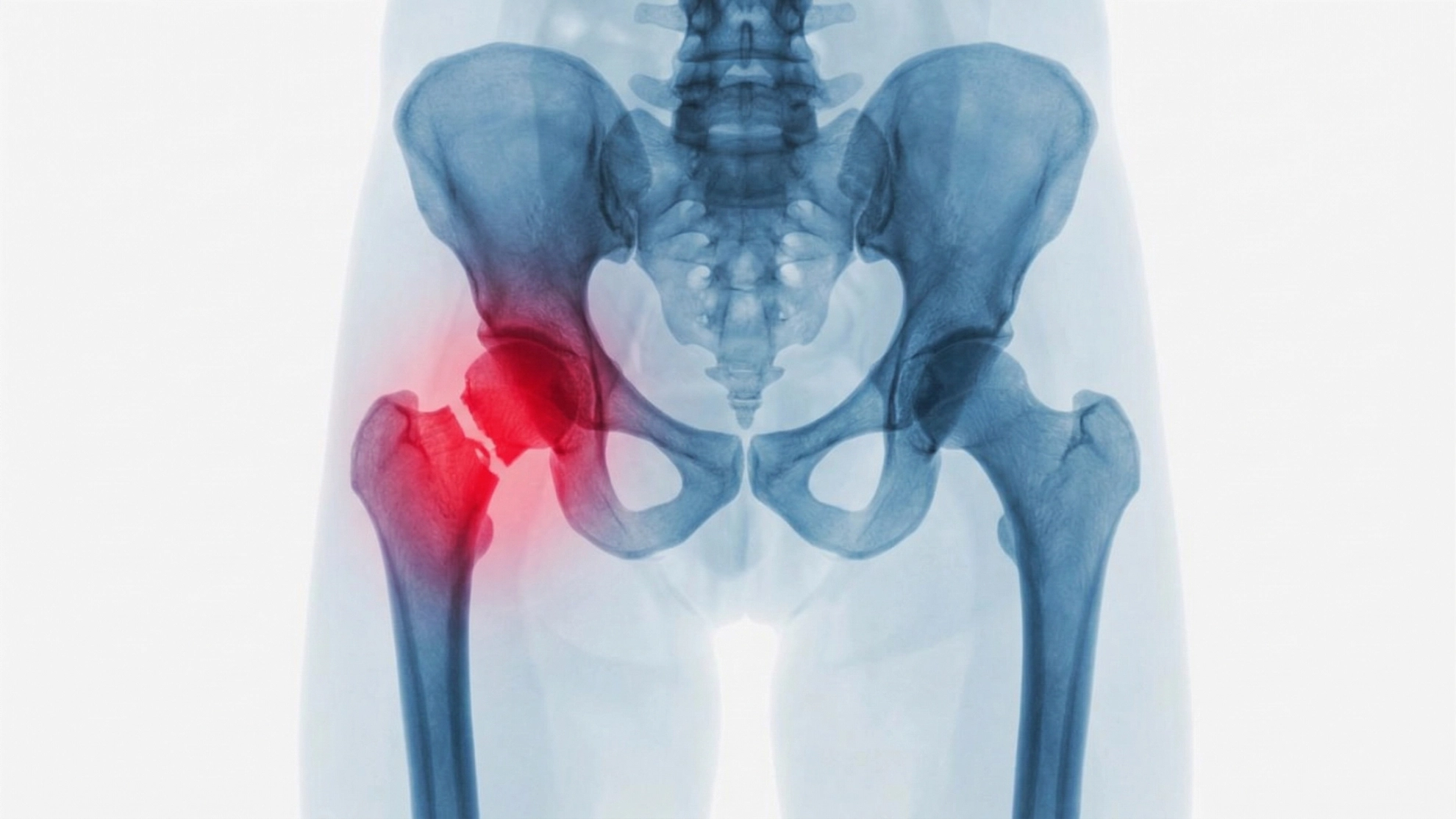
- Hip fractures requiring replacement surgery
- Loss of independence and mobility
- Mortality events following fractures and surgical complications
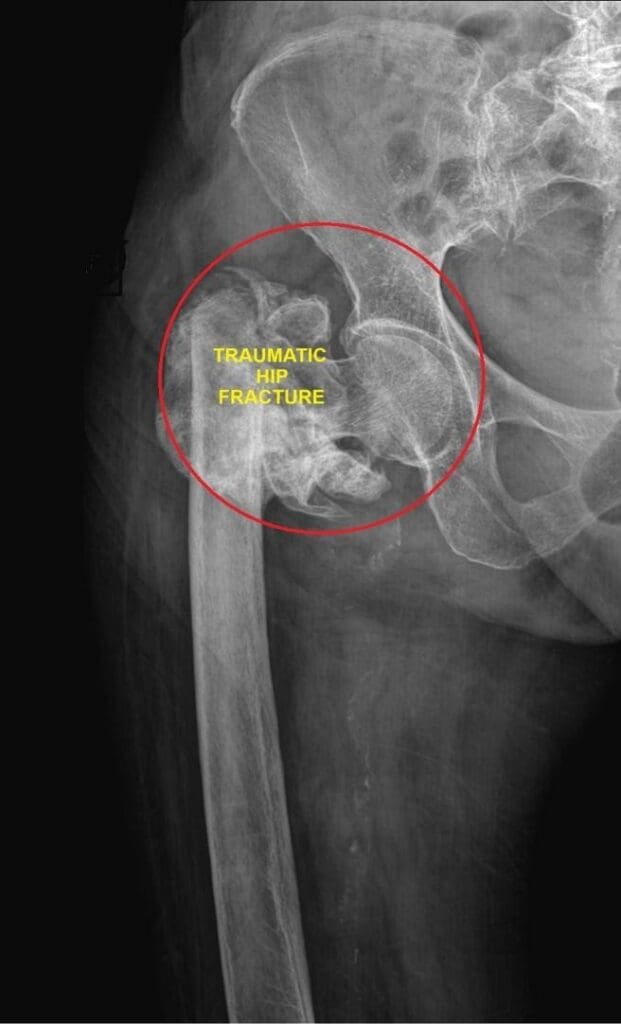
In fact, for many older adults, a fall is the beginning of a rapid decline in health and quality of life.
This is why focusing purely on bone density is incomplete.
The Missing Pillars of Fracture Prevention
Even with stronger bones, people can — and do — fracture when they fall onto hard surfaces.
What actually determines whether someone falls?
- Muscle strength — particularly fast-twitch (Type II) fibres responsible for reaction speed
- Balance and neuromuscular control
- Posture and alignment
- Elasticity and strength of connective tissue (tendons, ligaments, fascia)
- Confidence and gait stability
- Visual and spatial awareness
- Household trip hazards
These are not addressed by pharmaceuticals.
No drug improves reaction time.
No injection restores balance.
No tablet strengthens tendons or improves posture of walking gait.
A More Complete Strategy
If the goal is to reduce fractures — not just improve a scan result — then National Bone Health strategies must evolve.
The most effective approach is to:
- Strengthen bone
- Strengthen muscle
- Improve balance and neuromuscular response
- Enhance the structural integrity of the entire musculoskeletal system
Because ultimately:
The best way to prevent a fracture… is to prevent the fall.
Where OsteoStrong® Fits
This is exactly where OsteoStrong® sits.
The OsteoStrong® protocol is not general exercise.
It is precisely calibrated osteogenic loading, designed to:
- Stimulate bone adaptation
- Increase muscle, tendon, and ligament strength
- Improve postural alignment
- Enhance stability and balance
By placing the body under controlled, high-load stimulus, OsteoStrong® activates the same biological pathways these new discoveries are highlighting — particularly the mechanical signalling systems like Piezo1.
But importantly, it goes further.
It addresses the entire musculoskeletal system, not just bone density in isolation.
The Future of Bone Health
Pharmaceutical advances are important.
They may help improve bone density in specific populations.
But they are not a complete solution.
The future of fracture prevention lies in a more integrated model — one that combines:
- Biology
- Mechanics
- Strength
- Movement
Because bone health is not just about what’s happening inside the bone…
…it’s about how the entire body functions in the real world.
The Solution
We should absolutely welcome these scientific breakthroughs.
But we should also be clear:
Stronger bones alone don’t prevent fractures. Strong, stable, well-coordinated bodies do.
And most importantly:
Prevent the fall — and you prevent the fracture, the surgery, and potentially the life-altering or life-ending consequences that follow.