Let’s talk about the current state of “bone health advice.”
You hear it everywhere:
- “Just keep moving.”
- “Walk more.”
- “Do Pilates.”
- “Try yoga.”
- “Swim regularly.”
All great for general health.
But if your goal is to actually improve bone density, we need to look at the best research:
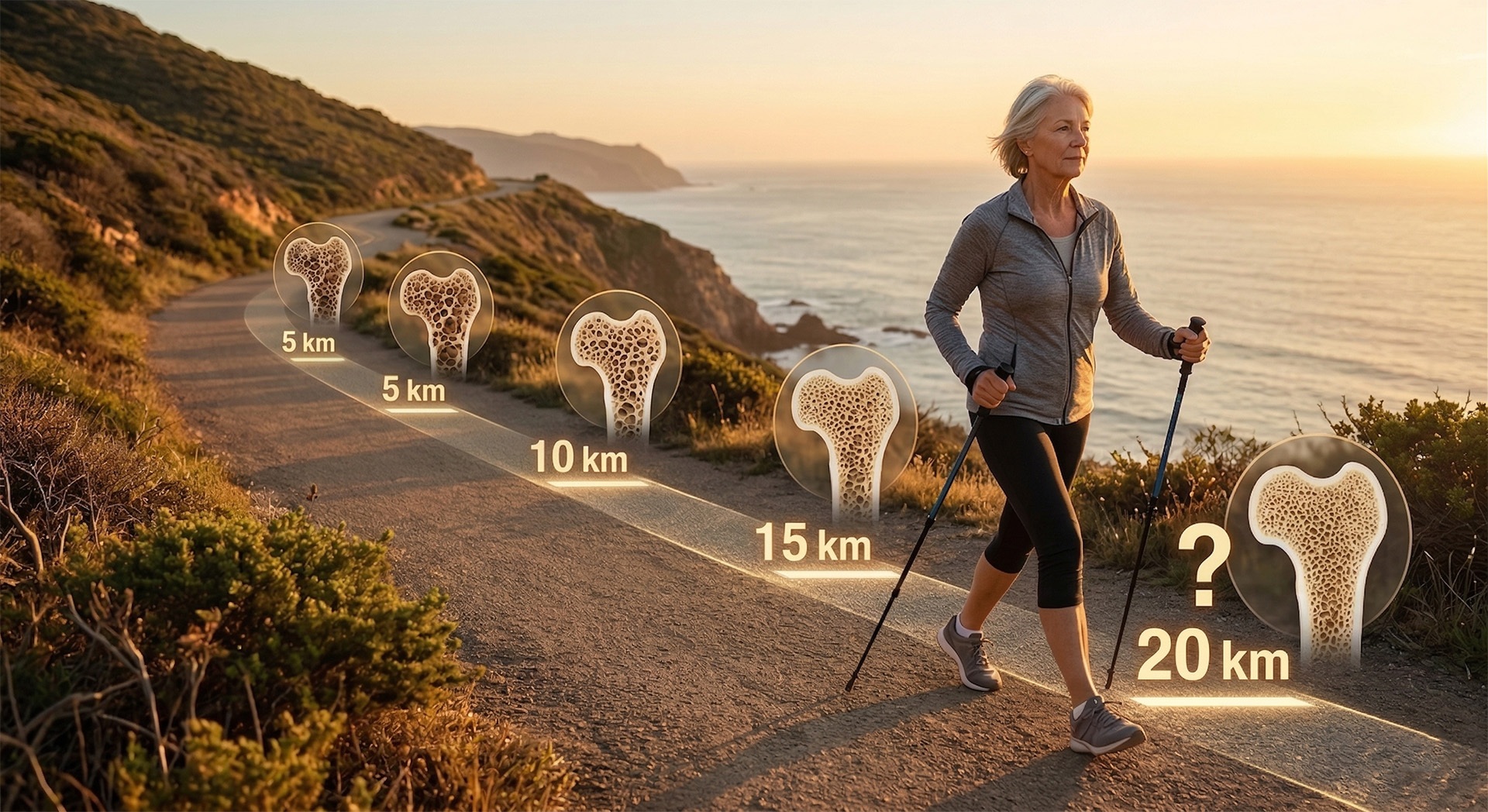
Walking Your Way to Stronger Bones… Does it Work?
Walking is often prescribed by well-meaning Doctors as the gold standard for bone health.
So, let’s quantify it based on the best research.
Bone responds to load, not good intentions. And unless you’re walking with:
- a very heavy pack
- significant downhill impact
- or at serious intensity
…you’re only loading your skeleton at around 1 to 1.5 multiple of your body weight.
The problem is research1 tells us we need 4 times our body weight or more to stimulate meaningful bone growth, triggered by osteogenesis. Osteogenesis is the biological process by which bone tissue is formed throughout life during bone healing and remodelling.
So, the obvious question becomes:
How many kilometres do you need to walk at 1x body weight to equal one meaningful osteogenic stimulus?
Answer:
More than anyone can do in a lifetime.
Swimming: Fantastic… for Everything Except Bones

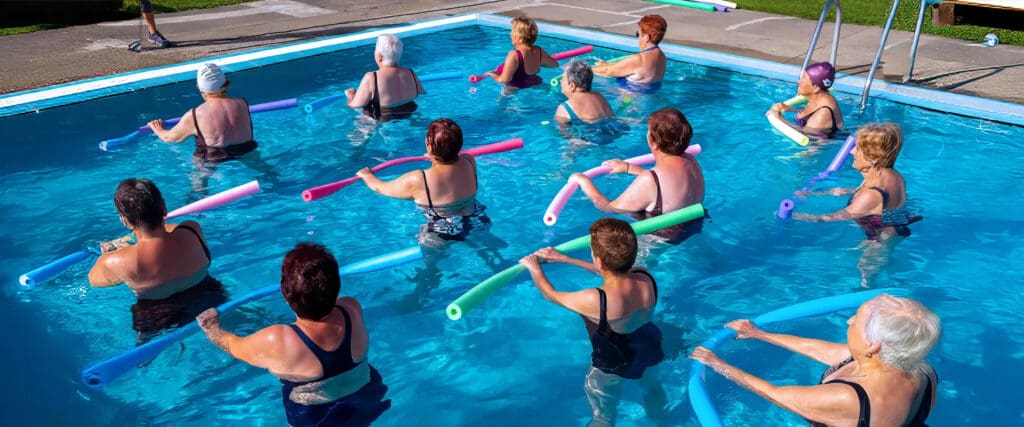
Swimming is incredible for:
- cardiovascular health
- mobility
- recovery
But for bone?
Zero meaningful loading. You are literally weightless.
We know that astronauts lose up to 2% of their bone density in zero gravity every month.
The idea that swimming improves bone density is a bit like saying:
“I’m strengthening my skeleton by removing gravity.”
Yoga & Pilates: Strength, Balance… and Bones?
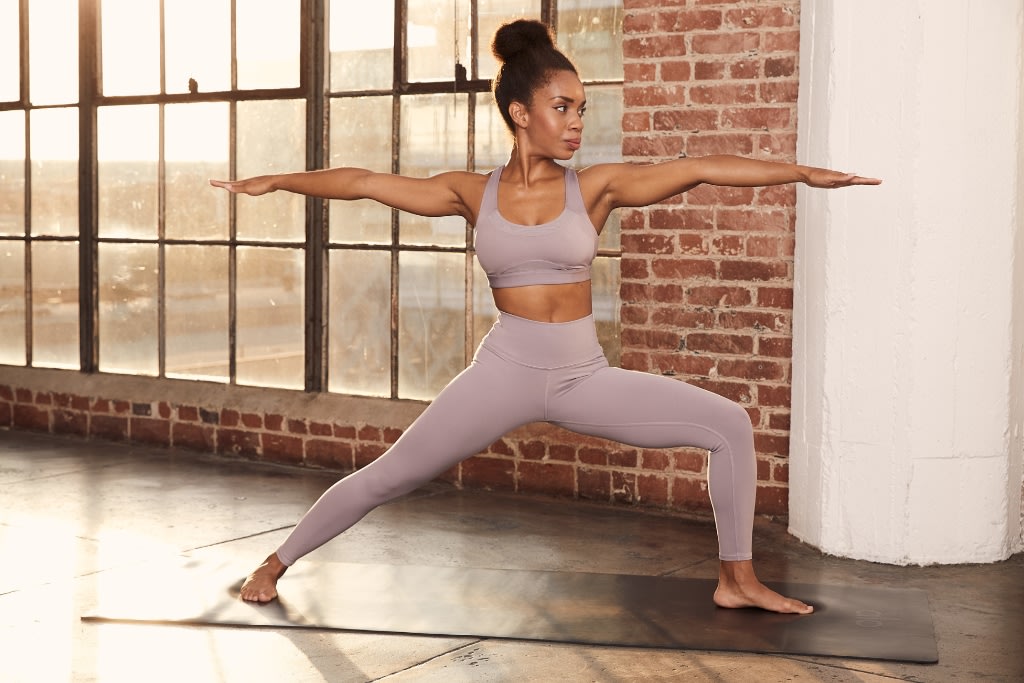
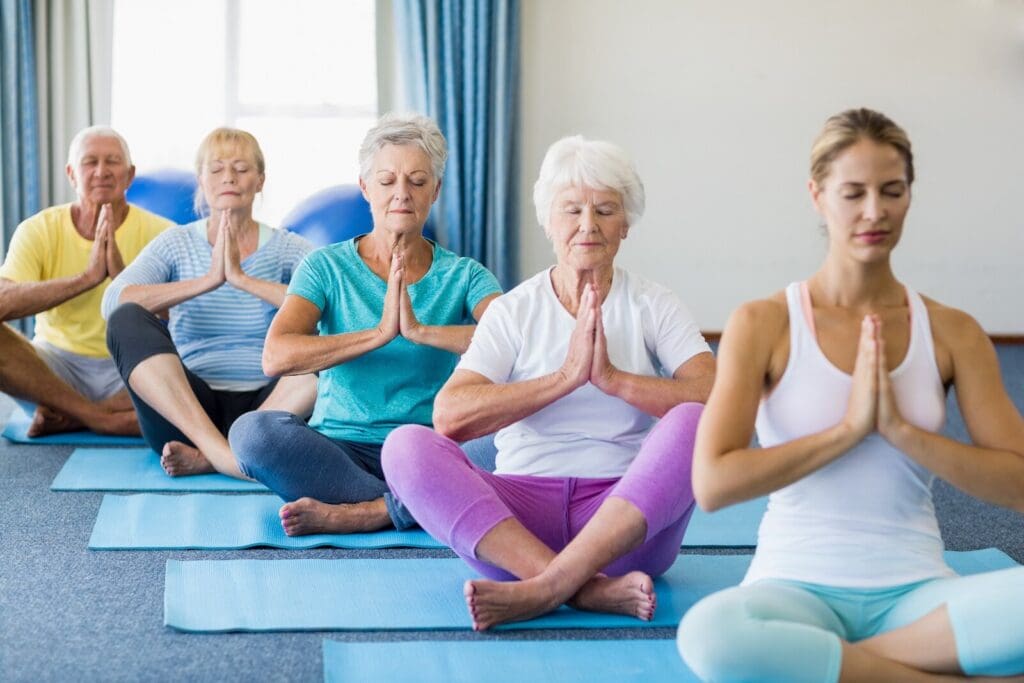
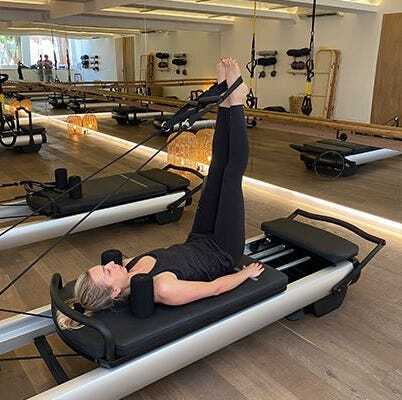
Yoga and Pilates are excellent for:
- balance
- flexibility
- core strength
But again – bone is very specific.
It doesn’t respond to:
- stretching
- light resistance
- controlled movement
It responds to force.
So, we come back to the same question:
How many sessions per week are needed before low-load exercise crosses the osteogenic threshold?
Answer:
Frequency doesn’t replace magnitude, and these activities never produce enough force to trigger osteogenesis.
Foot Stomps & Weighted Vests: Now We’re Getting Closer…

Now we start hearing:
- “Do foot stomps”
- “Wear a weighted vest”
- “Add impact”
- “Include drop landings hanging from a bar”
Better. But still…
- How many stomps per day?
- How heavy does the vest need to be?
- For how long?
And more importantly:
Are you actually applying enough load to stimulate bone growth—and if you are, can you do it safely without increasing your risk of injury?
Because if you’re not…
You’re just doing more work, not getting more result.
The Uncomfortable Truth
Bone doesn’t care about:
- effort
- time spent
- calories burned
Bone cares about one thing:
Magnitude of load.
If the load isn’t high enough:
- nothing happens
- no adaptation
- no increase in density
So What Actually Works?
To stimulate bone growth, you need:
- High-magnitude mechanical loading
- High multiples of body weight
- Applied safely and briefly
Not:
- endless repetition
- hours of low-load exercise
- “just move more” advice
The Real Question
Instead of asking:
“How often should I exercise for bone health?”
We should be asking:
“Am I applying enough load to trigger adaptation?”
Because if the answer is no…
You can walk, swim, stretch, and stomp your way through the week—
…and your bones will politely ignore you.
The OsteoStrong® Difference
OsteoStrong’s® key difference from conventional exercise is its ability to deliver high-magnitude osteogenic loading—the level of force required to stimulate bone adaptation—rather than relying on frequent, low-load repetition.
Delivered in a brief, once-weekly session, it provides a time-efficient and targeted stimulus for both bone and muscle.
Importantly, this approach is supported by a strong safety record, with more than 14 million sessions performed over the past decade in 15 countries globally, largely by people with low bone density—those in the highest injury-risk group. While no form of exercise is entirely risk-free, this demonstrates that high forces can be applied in a controlled, safe environment without the need for repetitive, exhaustive or high-risk exercise.
Contact OsteoStrong today to see how we can help you improve your bone health and live your best life for longer.
- Deere et al, UK Study 2012