
A holistic approach to winter health goes beyond avoiding colds and flu. It supports your immune system, energy, mood, sleep, mobility, and overall resilience. We’ve pulled together our top 10 tips to help you maintain good health over the winter months.
1. Prioritise Nutrient-Dense Whole Foods
Focus on foods that provide immune-supporting vitamins, minerals, and antioxidants:
- Colourful vegetables and fruits (especially citrus, berries, leafy greens, pumpkin, sweet potato)
- Protein at each meal (fish, eggs, legumes, poultry, tofu)
- Healthy fats from olive oil, nuts, seeds, and avocado
- Warming soups, stews, and broths that are easy to digest
Aim for a variety of colours on your plate to maximise nutrient intake.
2. Support Gut Health
A large portion of the immune system is associated with the gut.
Include:
- Yogurt with live cultures
- Kefir
- Sauerkraut, kimchi, or other fermented foods
- High-fibre foods such as oats, beans, vegetables, and flaxseeds
A healthy gut microbiome supports immune function and overall well-being.
3. Use Immune-Supporting Herbs and Spices Daily
Many culinary herbs and spices contain antioxidants and plant compounds that support overall health and help reduce inflammation.
Try incorporating:
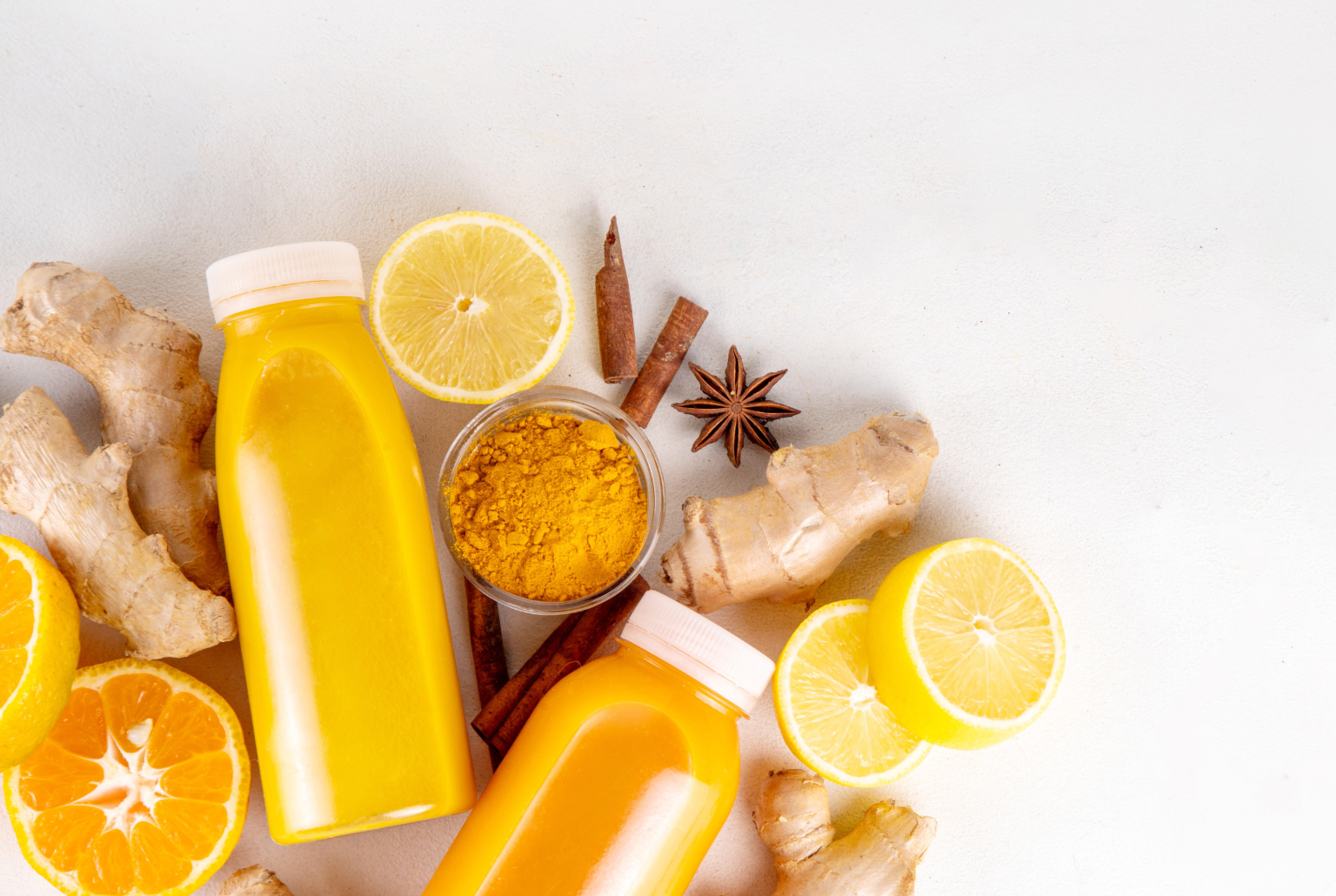
- Ginger – adds warmth and is commonly used to support digestion and comfort during cold weather.
- Turmeric – contains curcumin, a powerful antioxidant compound to help reduce inflammation. Pair with black pepper to improve absorption.
- Garlic – rich in sulphur-containing compounds that have long been valued for supporting immune health.
- Thyme – boosts immune and respiratory health, natural antibacterial; adds flavour to soups, stews, and roasted vegetables.
- Rosemary – contains antioxidant compounds to help reduce inflammation and supports digestion. Pairs beautifully with roasted vegetables, meats, and breads.
- Cinnamon – anti-inflammatory and antimicrobial properties. a warming spice that can be added to porridge, baked fruit, and herbal teas.
Simple ways to use them:
- Add ginger and turmeric to soups, curries, and stir-fries.
- Include garlic and thyme in casseroles, broths, and roasted vegetables.
- Sprinkle rosemary over roasted pumpkin, potatoes, or root vegetables.
- Make a warming herbal tea with fresh ginger, lemon, and a touch of honey.
The greatest benefits come from using these herbs and spices regularly as part of a varied, whole-food diet rather than relying on occasional large amounts. They not only contribute beneficial plant compounds but also make healthy winter meals more flavorful and enjoyable.
Winter wellness reminder: Think of herbs and spices as daily “food as medicine” ingredients—small additions that, over time, can support immune health, healthy aging, and overall vitality.
4. Keep Moving Every Day
Regular movement helps circulation, immune function, joint mobility, and mood.
Try to include:
- Brisk walking
- Swimming in heated pools
- Cycling
- Strength training 2–3 times weekly
- Stretching or mobility exercises daily
Even 20–30 minutes of movement most days can make a significant difference.
5. Maintain Muscle Strength
After age 50, preserving muscle becomes increasingly important for immunity, metabolism, balance, and healthy aging.
Focus on:
- Resistance bands
- Bodyweight exercises
- Light weights
- Functional movements such as squats, step-ups, and carrying groceries
Pair strength training with adequate protein intake.
6. Prioritise Sleep as a Health Investment
Sleep is one of the strongest immune-support tools available.
Aim for:
- 7–9 hours nightly
- Consistent sleep and wake times
- A cool, dark bedroom
- Reduced screen exposure before bed
Poor sleep can reduce the body’s ability to fight infections.
7. Practice Smart Hygiene Without Overdoing It
Simple habits remain powerful:
- Wash your hands regularly
- Avoid touching your face unnecessarily
- Keep commonly touched surfaces clean
- Stay up to date with healthcare recommendations from your doctor
Good hygiene reduces exposure while allowing you to stay socially engaged.
8. Stay Hydrated
People often drink less water during winter because they feel less thirsty.
Support hydration with:
- Water throughout the day
- Herbal teas
- Soups and broths
Proper hydration helps maintain healthy mucous membranes, which are part of your body’s first line of defence.
9. Nurture Mental and Emotional Well-Being
Stress can affect immune function.
Helpful practices include:
- Meditation
- Journaling
- Breathing exercises
- Reading
- Creative hobbies
- Time in nature
Even 10 minutes daily of intentional relaxation can be beneficial.
10. Stay Socially Connected
Human connection is a powerful health factor, particularly in later life.
Consider:
- Coffee or walks with friends
- Community groups
- Volunteering
- Family gatherings
- Book clubs or hobby groups
Social engagement supports mental health, cognitive function, and overall vitality.
A Simple Daily Winter Wellness Formula
Eat well: Half your plate vegetables, adequate protein, healthy fats, and include dietary herbs for natural flavour and immune health
Move daily: Walk, stretch, strengthen.
Sleep deeply: 7–9 hours.
Connect: Reach out to at least one person.
Restore: Spend a few minutes in reflection, gratitude, prayer, meditation, or quiet time.
Enjoy: Make room for activities that bring genuine pleasure and meaning.
For adults over 50, consistency with these foundational habits often provides more benefit than any single supplement or “immune booster.” The goal is not just to avoid illness but to maintain strength, energy, mobility, and quality of life throughout the winter months.