

A new trend of “sports performance” drinks spiked with alcohol is blurring the line between health and social drinking. Marketed as functional, refreshing, and lifestyle-friendly, these beverages risk creating a misleading perception: that alcohol can somehow align with fitness and recovery.
Let’s be very clear – adding protein or electrolytes to alcohol does not make it a health drink!
The reality is quite simple. Alcohol works against hydration, muscle and bone repair, and overall recovery—no matter how many electrolytes or protein grams are added. Dressing it up as a wellness product doesn’t change its physiological impact.
There’s also a looming question about what comes next. We’ve already seen “energy” and performance-style drinks incorporate ingredients like caffeine and adaptogens such as ashwagandha to enhance focus or reduce stress. If alcohol is layered into these formulations, it raises concerns about increasingly complex combinations being marketed as healthy, functional, and social.
The risk is clear: these hybrid drinks may become especially appealing to younger, more impressionable audiences—drawn in by promises of energy, performance, and relaxation all in one. But combining stimulants, functional herbs, and alcohol only further blurs the line between health and harm, making it harder for consumers to understand what they’re really putting into their bodies.
More concerning is the cultural shift. We’ve seen a positive trend in recent years, with many young people choosing to reduce or give up alcohol altogether. But by targeting the fitness and wellness space, this new category risks reversing that progress—making alcohol feel like a natural part of healthy routines.This raises the spectre of longer-term health consideration that often gets overlooked until it’s too late: bone health.
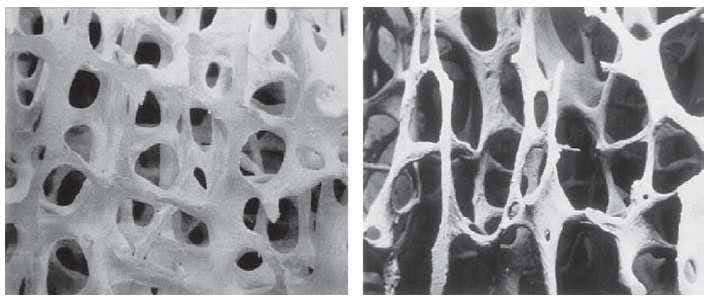
Peak bone mass is typically achieved by your mid-30s, and it forms the foundation your body relies on for the rest of your life. Higher alcohol intake can impair this process, reduce bone formation, and increase the risk of lower bone density and fractures as you age.
This isn’t about eliminating choice—it’s about clarity. A recovery drink should support recovery. An alcoholic drink is a separate social decision. When the two are combined, the message becomes polluted.
As consumers and professionals, it’s worth asking: are we improving health outcomes, or just finding new ways to market products?
There’s also a responsibility on brands and industry leaders to consider the signals being sent. Positioning alcohol within a “performance” or “recovery” context doesn’t just sell a product—it reshapes norms around when and why we drink.
For those in health, fitness, and wellness spaces, this is particularly important. These communities are built on trust, evidence, and long-term outcomes. Blurring those lines for short-term commercial gain risks undermining that trust.
From a practical standpoint, it’s worth keeping the fundamentals in mind:
- Hydration supports performance,
- Nutrition supports recovery,
- Alcohol, regardless of format, does neither.
As this trend grows, informed decision-making becomes key. Reading labels, understanding intent, and separating marketing psychology from biology can help maintain that clarity.
At OsteoStrong®, we recognise that bone adapts to the magnitude of force applied—not the frequency of exercise. But bone health doesn’t exist in isolation. It’s shaped by all Four Pillars of Bone Health, including lifestyle choices such as alcohol consumption.

Moderate, social drinking may have a place within a balanced lifestyle.
However, like all inputs to the body, it requires awareness, restraint, and consistency over time.
Because ultimately, health is not just about what you add—it’s about how daily behaviours across your entire lifespan quietly shape your independence and your longevity.