

Hydration isn’t just about drinking water — it’s the system that delivers nutrients, powers muscles, and supports bone health.
- Bone is 20–25% water → hydration drives mineral delivery and turnover
- Muscle is about 75% water → even 1–2% dehydration reduces strength and performance
- Brain function, energy, and recovery all depend on fluid balance
No hydration = no function
Under normal conditions, an easy guide is about;
- Women 8 cups per day (2 litres)
- Men 10 cups per day (2.5 litres)
That includes fluids from tea, milk, soups, and other drinks.
A practical check is urine colour: aim for pale straw-yellow. Dark or strong-smelling urine usually means you need more fluids.
- Coffee and alcohol should not be relied on for hydration targets
- Soft drinks may technically count, but they’re a poor choice due to sugar, acids, and additives
Most importantly, hydration isn’t one-size-fits-all. People with heart conditions, kidney disease, low sodium, fluid restrictions, or those taking medications like diuretics should follow their doctor’s guidance rather than general recommendations.
Why water alone isn’t enough
Keep in mind that drinking plain water in large amounts can dilute electrolytes and reduce hydration of your body’s cells – more is not better.
Plus, hydration is also about absorption, not just volume
Where does salt fit in?
Guidelines provided by groups such as the World Health Organisation target excess processed sodium — not intelligent mineral use. For some people with high blood pressure, kidney disease, heart issues or fluid retention, a high salt diet can increase blood pressure, placing extra strain on the heart and kidneys and increase swelling or dehydration risk.
Some research including the PURE study on sodium intake, suggests too little sodium can also be a problem.
For most health-conscious people, including many older adults with low bone density, adding appropriate mineral salts including sodium, potassium, magnesium and calcium, and other trace minerals from sea water, can be beneficial for hydration, muscle function, cramping, nerve signalling, overall mineral balance and bone health.
The key is quality + context
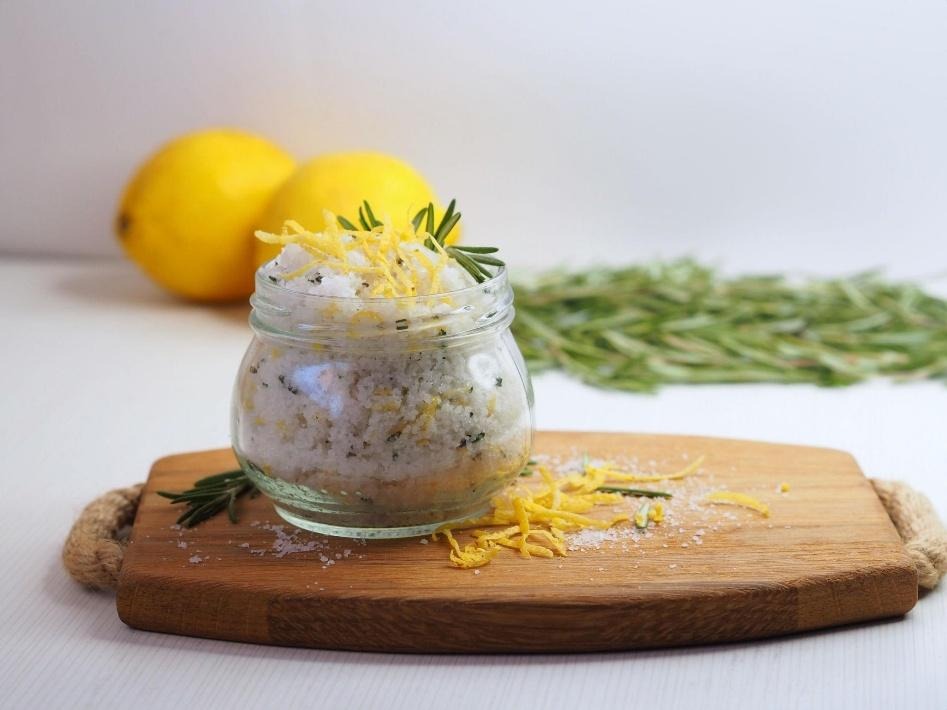
Smarter hydration formula
Many people don’t like plain water. A simple solution to improve the taste and absorption is by adding;
- A pinch of clean, low heavy-metal mineral salt, such as Baja Gold Mineral Sea Salt
- A small amount honey to improve absorption
- A squeeze of lemon or lime juice plus /herbs (polyphenols for circulation & mitochondria)
Suitable herbs to help flavour include mint, basil, rosemary, thyme, parsley, coriander, or ginger – alone or in any combination.
A good Japanese trick is to store this mixture in a clean glass container in the fridge overnight. You can also experiment using different herbal tea bags. The next day these drinks are like a refreshing ice-tea.
The Important Lesson
- Hydration underpins bone, muscle, & brain health, and longevity
- Water alone is incomplete — add minerals
- Don’t fear salt — use it intelligently
Your body doesn’t just need water.
It also needs the minerals that make that water work.
At OsteoStrong®, we understand that strong bones and muscles are built through a combination of proper nutrition, targeted supplementation where needed, healthy lifestyle habits, hydration, and most importantly, the osteogenic loading required to stimulate new bone and muscle growth.
Contact us today to discover how easy this can be achieved through safe, personalised once-weekly sessions.