
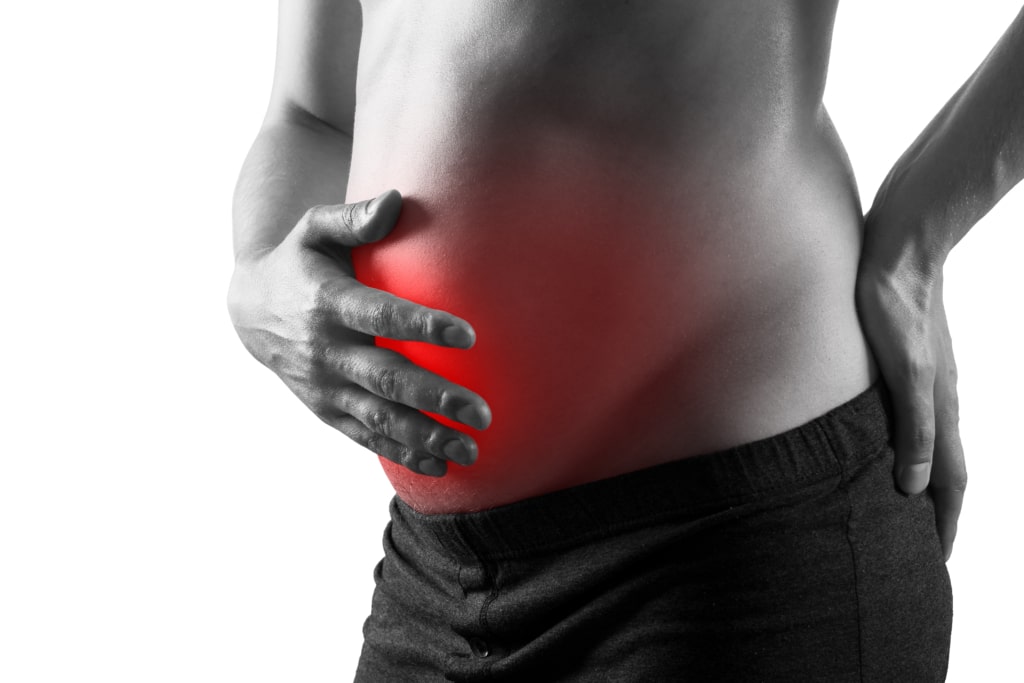
What Your Gut Is Failing to Absorb Could Be Weakening Your Bones
What Excess Gas Really Says About Your Gut, Nutrient Absorption, and Bone Health
Most people laugh off gas and bloating as normal.
“It just means your gut is working.”
But this is not quite right.
Excess Gas Isn’t a Performance Metric
Yes, passing some gas is occasionally normal.
But the frequent bloating and excess gas that many people experience does not indicate optimal digestion.
It often means:
- Food isn’t being properly broken down or absorbed
- Carbohydrates are reaching the colon undigested
- Gut bacteria are over-fermenting what you couldn’t process
You may be just feeding bacteria in your gut, instead of your own cells.

Why Bread, Onions, and Sugar Trigger Bloating/Gas & What Are FODMAP’s
You have likely heard of FODMAPS when a health professional recommends eliminating certain fermentable carbohydrate food types, then gradually reintroducing them, to identify the cause of symptoms like;
- bloating, (often worse as the day goes on)
- IBS (irritable bowel symptom),
- SIBO (small intestine bacterial overgrowth),
- Indigestion
- Abdominal pain or cramping
- Indigestion / discomfort after meals
- Diarrhoea
- Constipation (or alternating between both)
- Feeling of incomplete bowel emptying
…. which can all result in excess gas / flatulence.
FODMAPs stand for:
Fermentable, Oligosaccharides, Disaccharides, Monosaccharides and
Polyols.
In plain English:
FODMAPs are everyday foods that contain short-chain carbohydrates (sugars) that your body doesn’t absorb well – so instead they ferment in your gut.
They include many foods that you will have in your home;
- Oligosaccharides → wheat (bread, pasta, cakes, and biscuits), onions, garlic, leeks, asparagus
- Disaccharides → lactose – in milk and soft cheeses
- Monosaccharides → excess fructose in fruit – apples, honey
- Polyols → sugar alcohols – sorbitol, mannitol in some fruits like apples, pears, peaches, plums, and apricots and most artificial sweeteners
Because they ferment in the gut, FODMAP’s:
- Are major source of gas and bloating
- Draw water into the intestine
- Cause bloating, pain, and digestive discomfort
That’s why low-FODMAP diets are often used for people with poor digestion, irritable bowel and gut sensitivity.
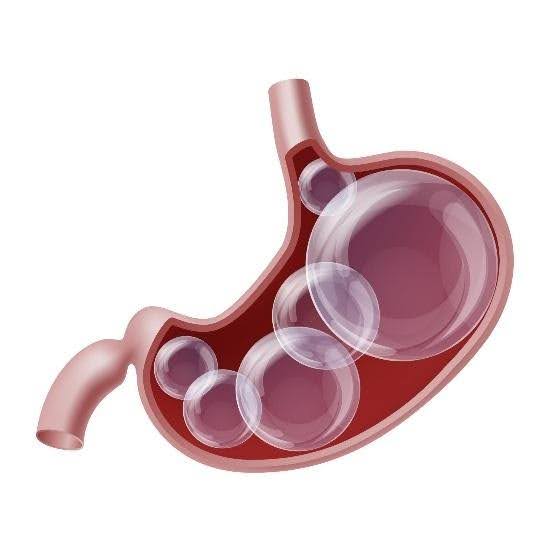
Is Fermentation Bad … or Not?
Some fermentation is essential.
It produces short-chain fatty acids like butyrate, which supports gut and overall health.
In fact, butyrate supports bone health by increasing bone formation, reducing bone breakdown, and improving mineral absorption.
But if you’ve got SIBO with bloating and over-fermentation, the equation flips and you produce gas instead of butyrate — leading to inflammation, poor absorption, and potential negative effects on bone health
So, more gas is not beneficial for bone health, because excess gas can signal:
- Poor nutrient absorption
- Enzyme issues
- Gut imbalance
- Low butyrate production
Why This Matters to Bone, Muscle & Overall Metabolic Health
Most nutrient absorption happens in the small intestine.
If that process fails, you may miss key nutrients like:
- Calcium
- Other essential vitamins and minerals like magnesium, phosphorus, manganese, boron, selenium, copper, zinc, Vitamins A, B, D & K2, folate, and silicon
- Proteins – amino acids
These are all critical for muscle growth metabolism, and bone strength.
The Bone Health Link
Bone health needs more than just calcium and vitamin D.
Research shows:
- Gut health affects calcium absorption and bone metabolism
- Chronic gut dysfunction can significantly impact bone density
It’s a fact – you can’t build strong bones on a compromised gut.
There Is no One-Size-Fits-All diet when it comes to FODMAP’s
This is where it gets complicated – two people can eat the same food:
- One thrives
- One bloats
The difference isn’t the food – it’s the individual.
It comes down to:
- Gut function
- Microbiome balance
- Digestive capacity
What matters is not what you eat – it’s what you absorb.
The Additional Issue with Ultra Processed Foods
Ultra Processed foods add another layer to this problem due to refined ingredients, additives, preservatives, emulsifiers, and flavour enhancers,
often containing little to no whole food.
UPF’s are typically loaded with refined carbohydrates, added sugars, and fermentable compounds like fructans and artificial sugars, often combined in forms that are rapidly absorbed and poorly digested.
This creates repeated blood sugar spikes upstream, while leaving excess substrates to be fermented downstream in the gut. The result is a double hit — metabolic stress and increased gas production.
Unlike whole foods, which come with fibre, enzymes, and a more natural structure, ultra processed foods are engineered for shelf life and palatability, not digestive efficiency. Over time, this can contribute to gut irritation, impaired nutrient absorption, and ultimately compromise the building blocks required for muscle and bone health.
The Real Farting Issue!
- Some gas is normal — but excess gas is not.
- It often signals malabsorption and over-fermentation.
- Gut health directly impacts nutrient uptake and bone health.
And most importantly: You don’t build strength, muscle, or bone from what you eat — you build it from what you absorb.
If you suffer from bloating and gas, following a FODMAP elimination diet plan can help you reset your gut health and maximise the benefits of your OsteoStrong® sessions.
Click here to download your free OsteoStrong® FODMAP Gut Reset Plan
Of course, bone health isn’t just about nutrition. It also depends on lifestyle and medical factors, and critically, adequate stimulation through osteogenic loading.
Because without the right stimulus, the body has no reason to build stronger bone.
If you want to improve your bone and muscle health and stay strong, stable, and independent as you age, contact OsteoStrong® today to learn how we can help.