When we talk about healthy ageing, we tend to focus on the things we can see and measure: muscle, bone density, body fat, blood pressure, cholesterol, glucose, cardiovascular fitness, balance and how easily we can get out of a chair. All of these matter enormously.
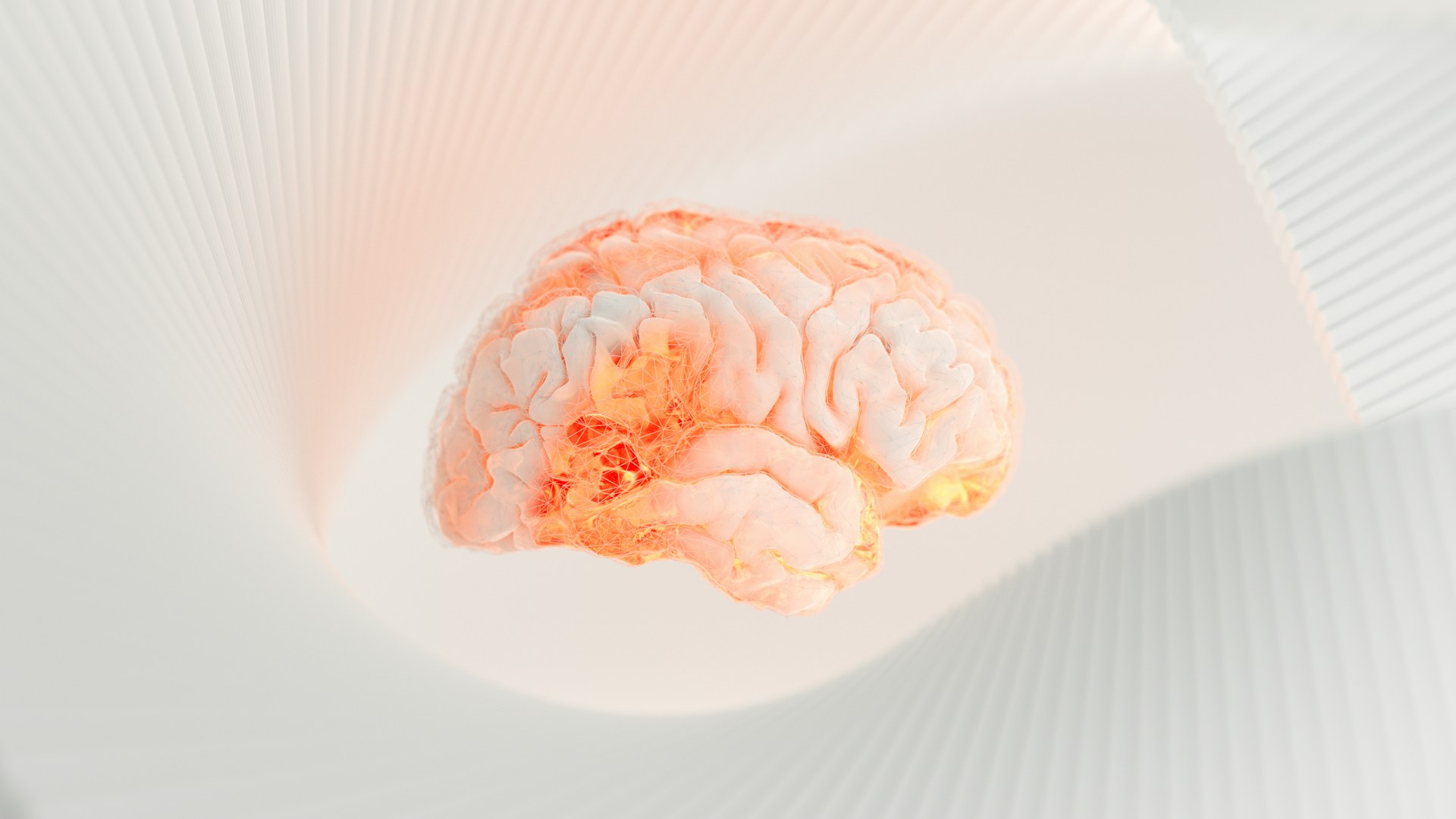
But ultimately they are being coordinated by something weighing only about 1.4 kilograms inside our skull.
I think of it this way. You need a good motor, but you also need a good driver.
There is not much point reaching 85 with a strong heart, good bones and plenty of muscle if your brain can no longer reliably tell you where you are going or remember the people you love. Equally, having a sharp brain trapped inside a profoundly frail body presents its own limitations.
Healthy ageing requires both.
Your Brain Is Part of Your Body
We sometimes treat brain health as though it is separate from physical health. It isn’t. The brain lives inside the same biological system and is affected by the environment we create for it every day.
It needs a continuous supply of blood, oxygen and nutrients and is influenced by blood pressure, blood glucose, insulin resistance, inflammation, sleep, physical activity, smoking, alcohol, hearing, vision and cardiovascular health. The brain represents only about 2% of our body weight but consumes roughly 20% of our resting energy and oxygen.
There probably isn’t one magic brain food, supplement, puzzle or drug that allows us to neglect everything else. The brain has to live in the biological environment we create for it.
Exercise Is Brain Training
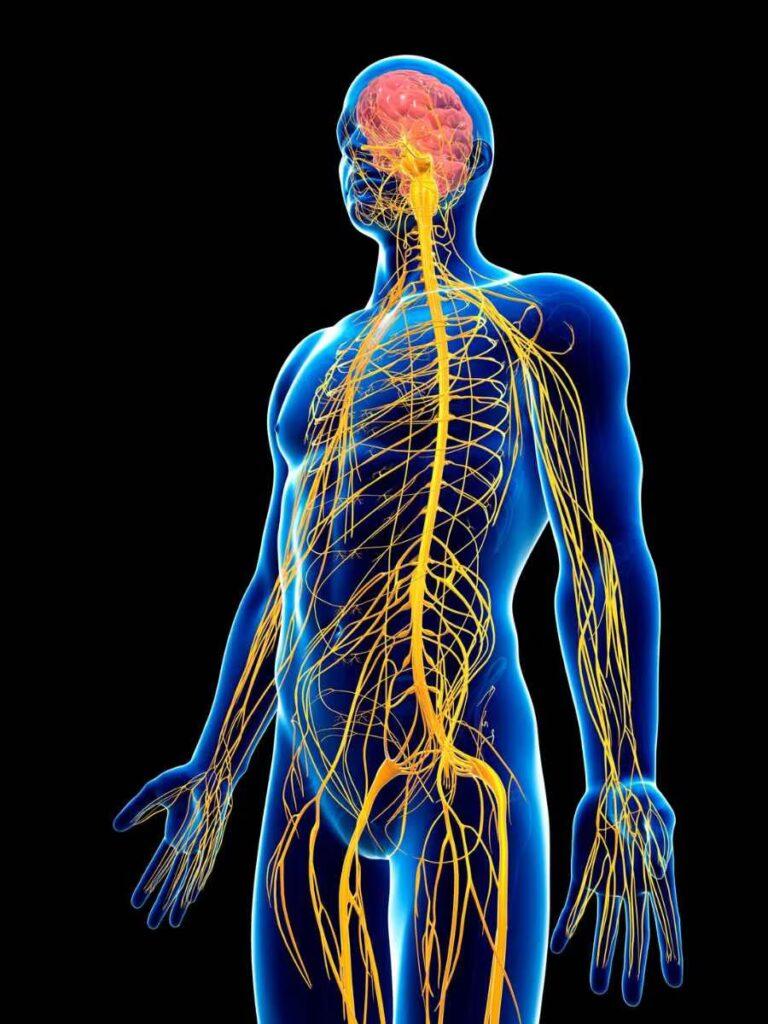
We usually think about exercise as something we do for our muscles, heart or waistline. But every time you move, your brain is working as well.
Walk over uneven ground and your brain processes information from your eyes, inner ear, feet, muscles and joints. Stand on one leg and an extraordinary amount of neurological processing occurs simply to stop you falling. Ride a bicycle, play tennis, swim, dance or lift a weight and the brain is constantly receiving information, making decisions and sending instructions back to the body.
Movement isn’t simply muscular. Movement is neurological.
Aerobic exercise challenges the cardiovascular system supplying the brain. Resistance exercise preserves the muscle required for independence. Balance and coordination challenge communication between the brain and body.
We are training the motor and the driver at the same time.
Where OsteoStrong Fits
This is also where I see an important connection with OsteoStrong.
OsteoStrong is not a dementia treatment and should never be promoted as one. Its role is to provide a supervised, measurable musculoskeletal stimulus designed around strength, bone and physical function.
But strength doesn’t exist independently of the nervous system. Your brain has to recruit muscles, coordinate force and process sensory information coming back from your body.
More importantly, maintaining strength, balance and physical confidence can help you keep walking, travelling, playing golf, gardening, shopping, going out with friends, looking after grandchildren and simply getting confidently out of the house. All of these keep the brain engaged with the world.
The opposite can become a vicious cycle. Lose strength, move less, lose confidence, go out less, see fewer people and experience fewer new things. Eventually both the motor and the driver can begin deteriorating together.
Physical independence helps preserve the opportunity for cognitive and social independence.
Look After the Pipes
Brain health is also vascular and metabolic health.
Your brain requires an enormous and uninterrupted blood supply, so the condition of the cardiovascular system delivering that blood matters. High blood pressure, diabetes, obesity and stroke are not simply heart problems. They are relevant to long-term brain health as well.
This gives us another reason to maintain muscle. Muscle is metabolically active tissue that plays an important role in glucose disposal and insulin sensitivity. Combine muscle with aerobic fitness, regular movement and good metabolic health and you are helping maintain the biological infrastructure supporting the brain.
Look after the pipes as well as the computer.
Sleep Is Maintenance Time
Sleep is another part of brain health we have historically underestimated. It is involved in memory consolidation, emotional regulation, metabolic health and restorative processes throughout the brain and body.
If an older person is persistently sleeping badly, don’t simply reach for another coffee the following morning. Ask why. Is it sleep apnoea, alcohol, pain, restless legs, medication, anxiety or poor sleep habits?
Sleep isn’t wasted time. It is biological maintenance time.
Keep Your Eyes, Ears and Brain Connected
Hearing and vision can also be dismissed as unavoidable inconveniences of getting older. Yet our eyes and ears are two of the major communication channels connecting the brain with the outside world.
If you cannot hear a conversation properly, you participate less. If you cannot see confidently, you may drive less, walk less, read less and become less socially engaged.
Have your hearing checked. Have your eyes checked. Wear hearing aids if you need them and update your glasses.
There isn’t much point having a good driver if we gradually cover the windscreen and turn down all the sounds coming from outside the car.
Give Your Brain Something to Do
Keep challenging your brain, but this doesn’t necessarily mean spending hours doing computerised brain games.
Read about something you don’t understand. Learn another language. Play an instrument. Travel somewhere unfamiliar. Cook something new. Learn new technology rather than deciding you are too old. Play cards, do puzzles, join a group and have conversations with people who make you think.
Don’t underestimate social interaction either. A conversation involves memory, language, interpretation, facial recognition, humour and emotional processing. Add walking, travelling, volunteering or playing sport and social activity becomes remarkably sophisticated brain training.
The objective isn’t to become brilliant at Sudoku.
It is to keep giving your brain reasons to adapt.
Don’t Retire Your Brain
Retiring from work should not mean retiring from thinking, learning, moving or contributing.
Work gives many people far more than income. It provides routine, problems to solve, people to interact with, decisions to make and reasons to get out of bed. When work disappears, deliberately replace some of those signals.
Have projects. Travel. Volunteer. Learn. Help your family. Build something. Teach somebody what you know. Stay curious.
Purpose itself gets us moving.
Build the Motor. Train the Driver.
The practical approach isn’t complicated. Move every day. Maintain your strength. Challenge your balance. Exercise your cardiovascular system. Monitor blood pressure, glucose and metabolic health. Sleep properly. Protect your hearing and eyesight. Don’t smoke, limit alcohol, eat well, maintain relationships and keep learning.
None of this guarantees that we will avoid dementia. Genetics, ageing and chance still matter. But healthy ageing has never been about guarantees.
It is about shifting the probabilities in our favour.
We want strong bones because we don’t want them to fracture. We want strong muscle because muscle is the currency of ageing. We want cardiovascular fitness because we need a good engine. We want balance because staying upright helps preserve independence.
But sitting above all of these systems is the brain that decides where we are going, remembers why we are going there, and coordinates how we get there.
Build a good motor, but never forget to look after the driver.
The Principle
Brain health is not separate from healthy ageing. Look after the body that supports the brain, while continuing to give the brain reasons to think, learn, move and engage with the world. Protect the motor, train the driver, and keep both working for as long as possible.