Every cell in your body is listening.
Your body is constantly responding to the world around you — from the nutrients you take in and the sunlight you receive, to how well you sleep, how much stress you live with, how often you move, and the environment you spend time in. Together, these daily signals influence your energy, resilience, mobility and the way you age.
This is especially important when we talk about bone health.
Most people think of bone as something hard, fixed and lifeless. But bone is living tissue. It is constantly responding to the signals it receives. Some signals tell the body to build, repair and adapt. Other signals tell the body it is under threat, depleted or no longer required to stay strong.
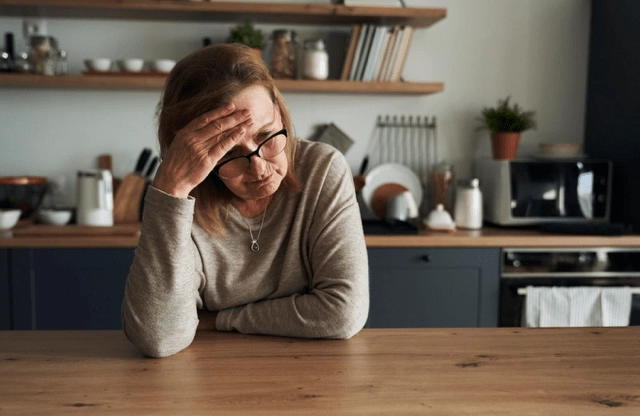
Chronic stress is one of those signals.
Stress Is Not Just “In Your Head”
Stress is a whole-body response.
When stress becomes long-term, the body can remain in a state of heightened alert. Stress hormones such as cortisol and adrenaline are useful in short bursts, but when they stay elevated for too long, they may influence inflammation, sleep, appetite, blood sugar, muscle loss and bone metabolism.
Research has explored links between chronic psychological stress and bone health, including the way stress-related hormonal and nervous system changes may affect bone remodelling and osteoporosis risk. (PMC)
This does not mean stress alone causes poor bone health. Bone health is influenced by many factors, including age, hormones, nutrition, medications, genetics, falls risk, muscle strength, vitamin D, sleep and physical activity.
But it does mean stress is part of the conversation.
The Body Is Always Reading Signals
As we age, the body becomes more sensitive to the quality of the signals it receives.
If the signal is:
“I am inactive.”
“I am poorly nourished.”
“I am not sleeping.”
“I am inflamed.”
“I am stressed all the time.”
“I no longer need to be strong.”
Then the body may gradually adapt in the wrong direction.
But if the signal is:
“I move daily.”
“I eat enough protein.”
“I get morning light.”
“I sleep and recover.”
“I challenge my muscles.”
“I safely load my bones.”
“I still need strength, balance and resilience.”
Then the body has a very different message to work with.
This is the heart of healthy ageing: giving the body better signals, more often.
Bone Needs a Mechanical Signal
One of the most important signals for bone is load.
Bone responds to mechanical force. This principle has been recognised for more than a century: bone tends to be maintained where it is mechanically needed and reduced where it is not needed. Modern research describes mechanical loading as an important stimulus for bone modelling and remodelling. (PMC)
This is why strength, posture, balance and safe loading matter so much as we age.
At OsteoStrong, the focus is not simply “exercise” in the traditional sense. It is about delivering a supervised, targeted musculoskeletal signal to the body — especially to the bones, muscles, joints and nervous system — in a safe and controlled environment.
The goal is to remind the body that strength is still required.
Practical Steps Older Adults Can Take
You cannot control every stressor in life.
You cannot control every gene, every hormone, every past injury or every decade of wear and tear.
But you can control many of the daily signals your body receives.
1. Prioritise Protein
Older adults need protein to help maintain muscle, strength and repair. Muscle is not just for movement; it is a major organ of ageing, metabolism and independence.
A simple goal is to include quality protein at each meal.
Think eggs, fish, meat, poultry, Greek yoghurt, cottage cheese, legumes, or high-quality protein support where appropriate.
2. Get Morning Light
Morning light helps regulate your body clock, mood, energy and sleep rhythm.
A short walk outside early in the day can be one of the simplest health habits available.
Light is a biological signal.
3. Protect Sleep
Sleep is when the body repairs, regulates hormones, restores the nervous system and supports immune function.
Older adults still generally need around seven to nine hours of sleep per night, even though sleep may become lighter with age. (nia.nih.gov)
Better sleep often starts with simple habits: morning light, less late-night eating, less alcohol, a cooler room, and a consistent bedtime routine.
4. Move Every Day
Daily movement keeps the body engaged.
Walking, cycling, gardening, stairs, swimming and general activity all help send the message that the body is still being used.
Guidelines for older adults commonly recommend regular weekly activity, plus strength, balance and flexibility work. (nhs.uk)
The key is consistency.
5. Train Strength and Balance
Falls are not just caused by weak bones. They are often caused by poor balance, weak legs, poor reaction time and loss of confidence.
Strength and balance training are essential parts of healthy ageing.
The stronger and more stable you are, the more freedom you protect.
6. Add a Bone-Strength Signal
Bone needs a reason to stay strong.
Supervised osteogenic loading at OsteoStrong is designed to provide a safe, controlled loading stimulus that helps support the body’s natural adaptive response.
For many members, it becomes one of the most important weekly signals they give their body.
7. Reduce the “Threat” Signal
Stress cannot always be removed, but it can often be reduced.
Breathing exercises, meditation, prayer, nature, social connection, music, gratitude, hobbies and calm routines can all help shift the nervous system out of constant threat mode.
Recovery is not laziness. It is biology.
8. Build a Better Environment
Your environment shapes your cells.
Better food in the house. Safer shoes. Less clutter. More sunlight. Supportive people. Regular movement. Good sleep habits. A weekly OsteoStrong session.
These small choices compound.
A Message to OsteoStrong Members
Ageing is not only about time passing.
It is about the signals your body receives over time.
Stress, poor sleep, inactivity and poor nutrition can all send the body in the wrong direction. But movement, protein, light, recovery, balance and safe bone loading can help send a stronger message.
You cannot control every signal your cells receives. And you cannot just take a tablet to fix all these variables.
But you can control the rhythm of your week.
Eat well. Move daily. Sleep deeply. Get sunlight. Reduce stress where you can. Build muscle. Challenge balance. And give your bones a reason to stay strong.
Your body is listening.
Make sure the message is worth hearing.