
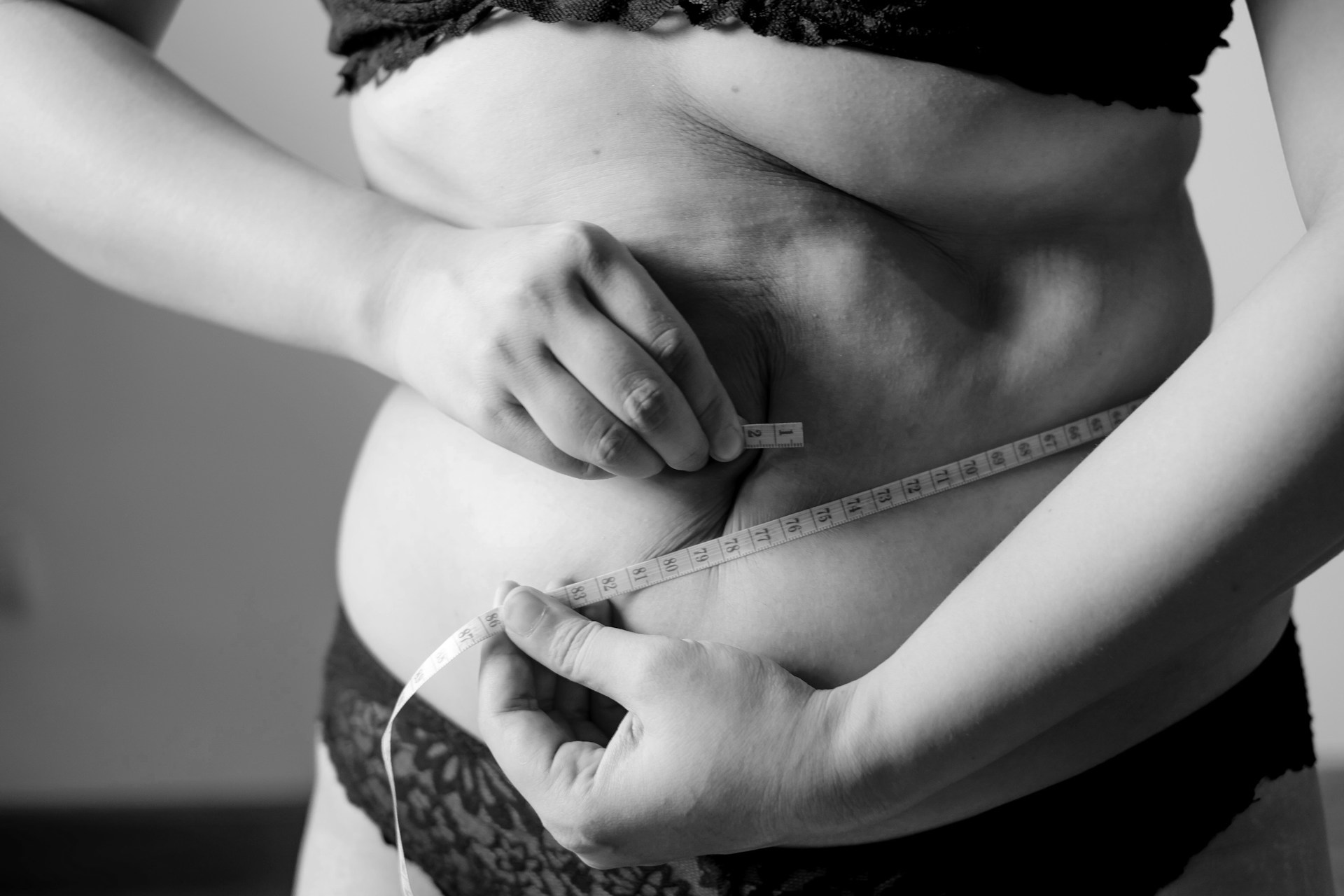
The Intervention We Often Overlook
The healthy-ageing marketplace is full of promises. We are offered hormone boosters, detoxes, anti-ageing supplements, peptides, superfoods and the latest injectable treatments, each claiming to provide an advantage. Some may have a legitimate role, particularly when they correct a genuine deficiency or address a specific medical issue. However, for someone carrying excess body fat, particularly around the abdomen and internal organs, improving body composition will usually do a lotmore for long-term health than most products found on a pharmacy shelf or health influencers online shop.
This is not about becoming thin, looking younger or chasing a particular number on the bathroom scales. It is about improving the biological environment in which our muscles, bones, hormones and organs must function. When we reduce harmful body fat while maintaining or increasing muscle, the benefits can influence almost every system involved in healthy ageing.
Body Fat Changes More Than Your Waistline
Body fat is not simply stored energy waiting to be used. It is metabolically active tissue that releases hormones and chemical signals capable of influencing inflammation, appetite, insulin sensitivity and energy regulation. The fat we can see beneath the skin is only part of the picture. Visceral fat, which accumulates deeper in the abdomen around the internal organs, is particularly relevant because it is associated with fatty liver, insulin resistance, cardiovascular disease and chronic inflammation.
This helps explain why two people can weigh the same but have completely different health trajectories. A muscular and active person may carry relatively little visceral fat, while someone of the same weight who is sedentary may have less muscle and more fat around the organs. The scales cannot distinguish between them, yet their strength, metabolic health and long-term disease risks may be very different.
Consider a man who weighs 90 kilograms at 30 and still weighs 90 kilograms at 50. If he was fit and muscular at 30 but has gradually replaced muscle with fat over the following two decades, he may believe that maintaining the same weight means he has avoided the effects of ageing. In reality, he may have experienced a significant decline in metabolic health, strength and biological resilience without the scales changing at all.
Photo: An active man and woman in their 60s walking outdoors or performing resistance exercises, conveying strength, mobility and vitality rather than weight loss or appearance.
When Hormones Respond to Excess Fat
Excess body fat can also influence the hormones that regulate muscle maintenance, energy, tissue repair and recovery. In men, higher levels of abdominal fat are commonly associated with lower testosterone. Fat tissue contains an enzyme called aromatase, which converts some testosterone into oestrogen, while insulin resistance, poor sleep and sleep apnoea can further complicate the picture.
Lower testosterone may make it more difficult to maintain muscle and physical capacity, which can encourage further inactivity and additional fat gain. The problem is not necessarily that the body has suddenly stopped functioning properly. It is that the biological environment has gradually changed in a direction that makes maintaining strength and metabolic health more difficult.
Growth hormone can also be affected. The body normally releases it in pulses, particularly during deep sleep, but obesity and disrupted sleep can interfere with this process. This does not mean that growth-hormone injections or testosterone therapy are the obvious answer. In many cases, improving sleep, reducing excess fat and increasing physical activity can help address the conditions contributing to the problem.
The thyroid connection is often overstated. Carrying excess fat does not automatically mean someone has an underactive thyroid, although genuine thyroid disease can contribute to fatigue and modest weight gain and should be identified through appropriate testing. The broader lesson is that hormones respond to the conditions we create through nutrition, movement, sleep and body composition.
In women, particularly during and after menopause, falling oestrogen levels can encourage the redistribution of fat towards the abdomen, while increasing visceral fat can further disrupt insulin sensitivity, inflammation and overall hormonal and metabolic health.
The Immediate Pleasure and the Delayed Consequences
Reducing added sugar and ultra-processed foods is often a sensible place to begin. This is not because one dessert immediately destroys our hormones or because every gram of carbohydrate automatically becomes body fat. It is because sugary drinks, biscuits, ice cream, sweetened coffees and highly processed snacks make it remarkably easy to consume more energy than we can use. Unfortunately the math is quite simple and you cannot fool your biology.
These foods provide an immediate reward, while the consequences may take years to become obvious. A dessert every night or a large iced coffee every afternoon may seem harmless in isolation, but habits repeated over months and years have a compounding effect. The pleasure occurs in seconds. The gradual increase in abdominal fat, insulin resistance and cardiovascular risk may not become visible until much later.
As fat accumulates around the liver and internal organs, the body can become less responsive to insulin. The pancreas then produces more insulin to maintain normal blood-glucose levels. For a time, blood-glucose tests may still appear normal even though the underlying metabolic system is working harder than it should. This is one reason metabolic dysfunction can develop quietly long before someone is diagnosed with prediabetes or type 2 diabetes.
Insulin itself is not the enemy. It is an essential hormone that helps move nutrients into cells. The problem arises when excess calorie intake, low activity and increasing visceral fat create conditions in which insulin must remain persistently elevated to do its job.
Weight gain is not as simple as counting calories, because hormones, sleep, muscle mass and activity all influence how the body uses energy, but the underlying mathematics remains unavoidable: consistently consume more energy than you need, and the excess will generally be stored as fat, gradually turning small daily habits into significant weight gain over decades.
Muscle Is the Currency of Ageing
If excess visceral fat is part of the problem, maintaining muscle is a significant part of the solution. Skeletal muscle helps remove glucose from the bloodstream and store it for future use, while also supporting strength, mobility and recovery from illness or injury. As muscle declines, everyday tasks become more difficult and the body has fewer resources available to manage physical stress.
This is why losing weight without considering muscle can be counterproductive. Crash dieting, severe calorie restriction and rapid weight loss without sufficient protein or resistance exercise can leave someone lighter but weaker. The bathroom scales may suggest success, but the person may have lost some of the very tissue needed to remain independent as they age.
The objective should not simply be to become smaller. It should be to reduce harmful body fat while preserving or increasing muscle. Adequate protein, regular resistance exercise and meaningful physical activity provide the signals the body needs to retain muscle rather than sacrifice it.
Muscle is the currency of ageing, and we should be cautious about spending it unnecessarily.
Strong Bones Need More Than Extra Body Weight
The relationship between body fat and bone health is also more complicated than many people assume. Carrying additional body weight can increase mechanical loading, but excess fat does not automatically produce stronger bones. Chronic inflammation, reduced mobility, poorer muscle function and metabolic dysfunction can all undermine musculoskeletal health.
There is an important difference between carrying extra weight passively and applying purposeful mechanical demand through the muscles and skeleton. Bones respond to appropriate loading, but they also depend on nutrition, hormonal balance and the strength of the surrounding muscles.
Rapid weight loss can introduce an additional concern because bone may be lost alongside fat and muscle. This becomes particularly relevant for older adults, postmenopausal women and anyone using aggressive diets or weight-loss medications without a strategy to preserve musculoskeletal health.
At OsteoStrong, we focus on controlled loading intended to support musculoskeletal strength and function. This does not replace good nutrition, general physical activity or appropriate medical care, but it reflects a fundamental biological principle: the body maintains tissues that are regularly asked to perform. If we want to preserve bone and muscle while losing excess fat, we need to give the body a reason to keep them.
Why This Matters More Than Most Quick Fixes
Improving body composition does not simply influence one health marker. Reducing excess visceral fat can improve insulin sensitivity, blood glucose, blood pressure, liver health and sleep quality. Increasing muscle strength can make physical activity easier, improve glucose regulation and support mobility. Loading the skeleton helps maintain the physical framework required for independence.
These benefits do not occur in isolation. Better sleep supports recovery and activity. Greater activity supports stronger muscles. Stronger muscles improve metabolic health. Improved metabolic health benefits the cardiovascular system, organs and skeleton. Instead of reinforcing a downward spiral, each positive change begins supporting the next.
This is why body composition matters more than many short fixes. A supplement may correct a deficiency or provide a modest additional benefit, but it cannot compensate for substantial visceral fat, inactivity, poor sleep and a highly processed sugar filled diet. A hormone booster cannot reliably reverse the effects of chronic overeating, and an anti-ageing product cannot preserve muscle that is never challenged.
This is not saying that supplements have no value. Vitamin D, iron, protein, creatine and other nutrients may be useful when they address a genuine need. However, they should support the foundations of health rather than distract us from them.
Swallowing a capsule takes seconds. Improving body composition requires consistency. That may be less appealing, but it is also far more consistent with the way human biology actually works.
Changing the Direction of Your Biology
The scales can provide useful information, but they do not tell the complete story. Waist circumference, muscle strength, blood pressure, blood-glucose control, body composition, grip strength, balance and everyday physical ability often provide a clearer picture of whether our health is improving.
If you can climb stairs more easily, carry shopping without difficulty, get up of the floor, move with greater confidence and maintain your strength while your waist measurement decreases, you are likely moving in a better direction even if the number on the scales changes slowly.
The fundamentals are straightforward. Eat sufficient quality protein, reduce added sugar and ultra-processed foods, avoid consistently consuming more energy than you use, challenge your muscles and bones, remain physically active and protect your sleep. These strategies may not sound as exciting as the latest longevity treatment, but their combined effects reach throughout the body.
We cannot turn back the calendar, but we can change the direction in which our biology is travelling. Healthy ageing is not simply about losing weight. It is about losing what harms us while preserving what protects us.
The scales may tell you how heavy you are. Your body composition tells you far more about how well you are ageing.